What is Public Service Advertising?
Public service advertising (PSA) simply refers to advertisements that are made or designed to serve the public interest rather than primarily promote a product or service. These ads are typically created and disseminated by governments, non-profit organizations, or other socially responsible entities with the goal of raising awareness, educating the public, or promoting positive behaviors.
In the United States, public service advertising (PSA) can also be defined as advertisements created by government agencies, non-profit organizations, or other entities with the aim of promoting public welfare, raising awareness about important issues, or encouraging positive behaviors. These ads are typically distributed through various media channels, including television, radio, print, digital platforms, and outdoor advertising.
Public service advertising in the United States covers a wide range of topics, including public health (such as anti-smoking campaigns, vaccination awareness, and HIV/AIDS prevention), safety (such as seatbelt use, drunk driving prevention, and fire safety), education (such as literacy programs and anti-bullying campaigns), environmental conservation (such as recycling and conservation efforts), and social issues (such as anti-discrimination campaigns and support for veterans).
PSAs in the United States are often produced in collaboration with advertising agencies, media companies, and other partners. They may feature celebrities, public figures, or ordinary people to help convey their messages effectively.
Because PSAs can take various forms, including print ads, radio spots, television commercials, billboards, social media campaigns, and online videos. They are typically distributed through various media channels to reach a wide audience and maximize their impact; many media outlets provide free or discounted airtime or ad space for PSAs as part of their commitment to corporate social responsibility.
1. Smoky Bear/Woodsy Owl (United States Forest Service)


The Smoky Bear/Woodsy Owl campaign is a typical example of the public service advertising. it was initiated by the United States Forest Service and has several key rationales behind its creation and ongoing implementation.
1. Forest Fire Prevention:
Smoky Bear was introduced in 1944 as a response to concerns about forest fires, particularly during World War II when there was a heightened risk due to reduced manpower available for fire prevention efforts. The campaign aims to educate the public, particularly campers and outdoor enthusiasts, about the causes of forest fires and how to prevent them. By emphasizing individual responsibility and action (“Only you can prevent forest fires”), the campaign seeks to reduce the number of human-caused wildfires.
2. Environmental Conservation
Woodsy Owl was introduced in 1971 to promote environmental conservation and stewardship among children and adults. The campaign encourages people to take care of the environment, avoid pollution, and respect nature. Woodsy Owl’s slogan, “Give a hoot, don’t pollute,” emphasizes the importance of individual actions in preserving natural habitats and protecting wildlife.
3. Public Awareness and Education
Both Smoky Bear and Woodsy Owl serve as iconic symbols that are easily recognizable to the American public. By leveraging these characters in advertising campaigns, the Forest Service aims to capture people’s attention and deliver important messages about fire prevention and environmental conservation in a memorable and engaging way. The campaigns utilize various media channels, including television, radio, print, and digital platforms, to reach a broad audience.
4. Behavioral Change
The ultimate goal of the Smoky Bear/Woodsy Owl campaign is to encourage behavioral change among individuals, communities, and organizations. By promoting responsible behavior in outdoor settings, such as properly extinguishing campfires, disposing of trash responsibly, and respecting wildlife habitats, the campaign seeks to reduce the occurrence of forest fires and minimize environmental damage.
Key takeaway;
These iconic campaigns aim to promote forest fire prevention (Smoky Bear) and environmental conservation (Woodsy Owl). Smoky Bear is known for his famous slogan, “Only you can prevent forest fires,” while Woodsy Owl encourages conservation with the slogan, “Give a hoot, don’t pollute.”
2. “Friends Don’t Let Friends Drive Drunk” (National Highway Traffic Safety Administration)’
This campaign raises awareness about the dangers of drunk driving and encourages individuals to intervene when a friend is considering driving under the influence. It has been highly influential in promoting designated drivers and reducing drunk driving incidents.
3. “Truth” Campaign (Truth Initiative)
The “Truth” Campaign, led by the Truth Initiative…
…below are the key reasons behind this public service advertising example:
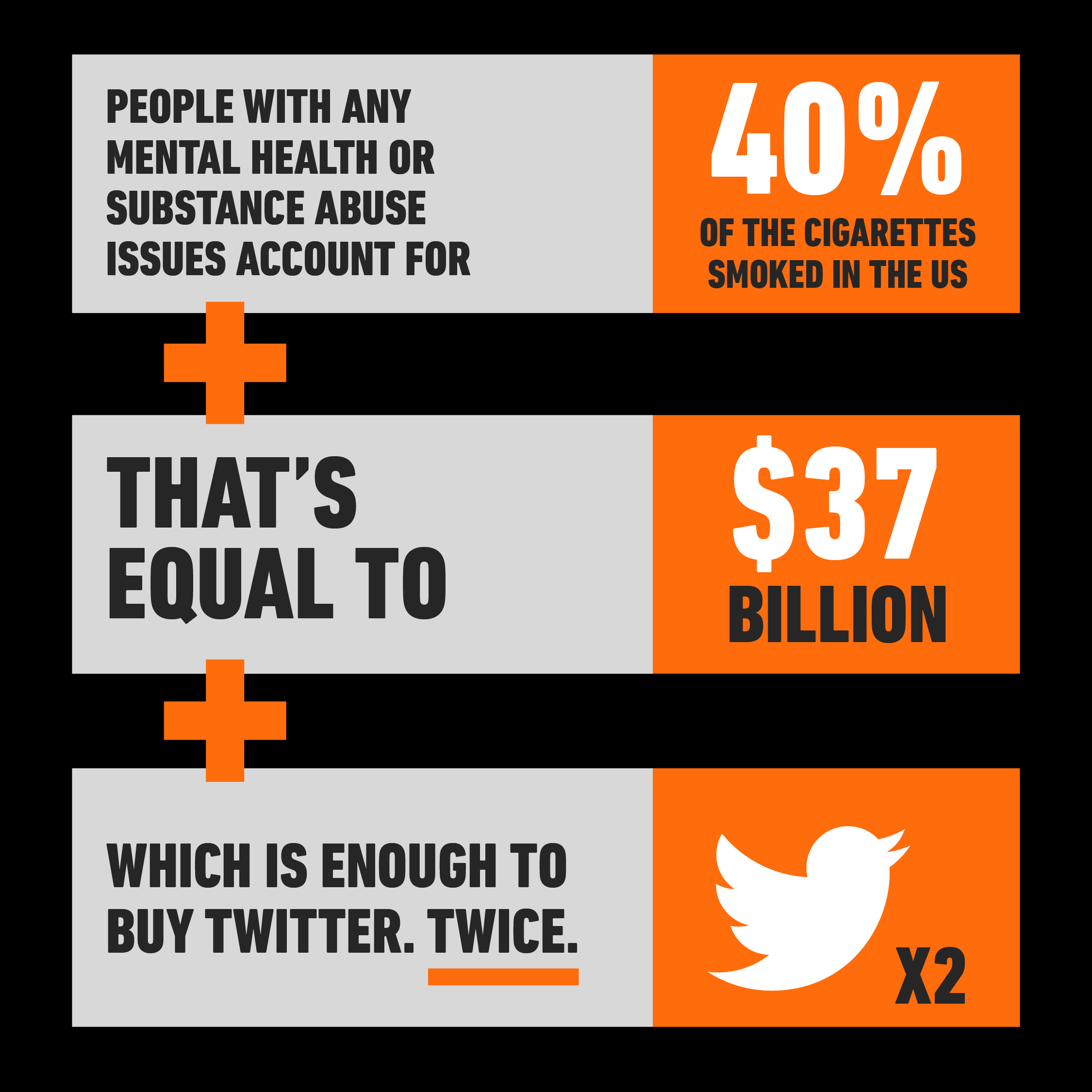
1. Youth Targeting
The campaign focuses on targeting young people, particularly teenagers and young adults, who are at a critical stage of forming attitudes and behaviors related to smoking. By engaging with this demographic, the campaign aims to prevent smoking initiation and reduce tobacco use among youth.
2. Tobacco Industry Awareness
The campaign seeks to debunk myths and misconceptions perpetuated by the tobacco industry. By exposing the tactics used by tobacco companies to target and manipulate young people, the campaign aims to increase awareness of the dangers of smoking and foster skepticism toward tobacco industry marketing practices.
3. Social Norms and Peer Influence
The campaign leverages social norms and peer influence to promote anti-smoking attitudes and behaviors. By highlighting the negative consequences of smoking and framing tobacco use as socially unacceptable, the campaign seeks to change social norms surrounding smoking and empower young people to resist peer pressure to smoke.
4. Emotional Appeal
The campaign utilizes emotional appeals and storytelling techniques to resonate with its target audience. By sharing real-life stories and experiences of individuals affected by smoking-related illnesses or tobacco industry manipulation, the campaign aims to evoke empathy, concern, and motivation to take action against smoking.
5. Empowerment and Action
The campaign empowers young people to take action against smoking and tobacco use. By providing information, resources, and opportunities for involvement in anti-smoking advocacy efforts, the campaign encourages young people to become agents of change in their communities and advocate for tobacco-free lifestyles.
In summary;
The “Truth” Campaign is an example of public service advertising because it’s primarily driven by a commitment to preventing youth smoking initiation, exposing the tactics of the tobacco industry, and empowering young people to resist tobacco use and advocate for positive change. Through targeted messaging, strategic communication, and engagement with its target audience, the campaign aims to create a generation of non-smokers and reduce the impact of tobacco-related diseases and deaths.
4. “It Can Wait” (AT&T)

It seems there might be a confusion here. The “It Can Wait” campaign is actually an initiative launched by AT&T, not the National Highway Traffic Safety Administration (NHTSA). The campaign focuses on raising awareness about the dangers of texting while driving and encouraging drivers to refrain from using their phones while behind the wheel.
Here are the key rationales behind the “It Can Wait” campaign:
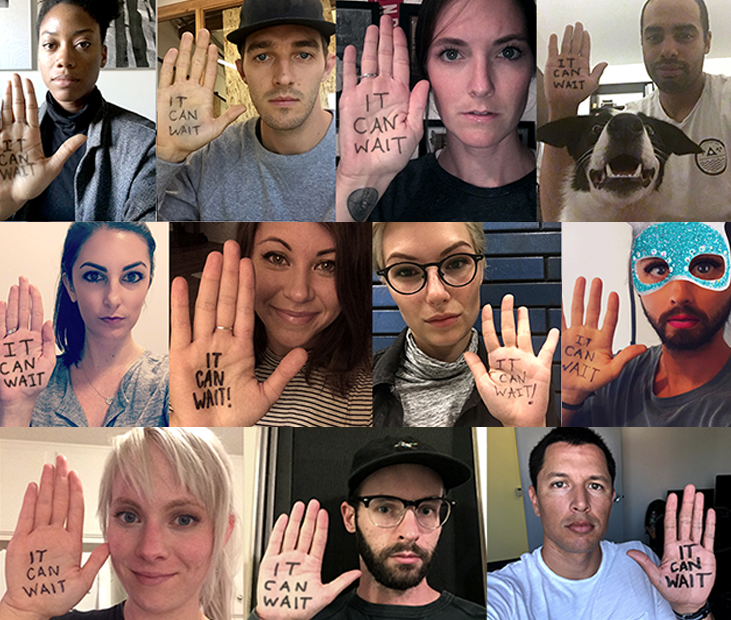
1. Distracted Driving Awareness:
The primary aim of the campaign is to raise awareness about the dangers of distracted driving, particularly texting while driving. It seeks to educate drivers about the risks associated with taking their eyes off the road to use their phones and the potentially devastating consequences of such behavior.
2. Behavioral Change:
The campaign aims to influence driver behavior and attitudes toward texting while driving. By emphasizing the importance of staying focused on the road and refraining from using phones while driving, the campaign encourages drivers to adopt safer habits and reduce the incidence of distracted driving-related accidents.
3. Personal Responsibility:
The campaign promotes the idea of personal responsibility and accountability for one’s actions while driving. By encouraging drivers to recognize the impact of their choices on their own safety and the safety of others, the campaign aims to empower individuals to make responsible decisions behind the wheel.
4. Peer Influence:
The campaign leverages peer influence and social networks to spread its message. By encouraging individuals to share their commitment to safe driving practices with friends, family, and social media followers, the campaign aims to create a culture of accountability and support for distracted driving prevention.
5. Technology Awareness:
The campaign acknowledges the role of technology in contributing to distracted driving but emphasizes that drivers have the power to control their behavior and prioritize safety over the use of their phones. By promoting alternatives such as hands-free devices or pulling over to a safe location to use phones, the campaign encourages drivers to make safer choices.
Overall, the “It Can Wait” campaign is driven by a commitment to reducing distracted driving-related accidents and promoting safer driving habits among all motorists. Through targeted messaging, partnerships with organizations, and engagement with the public, the campaign aims to save lives and prevent injuries on the road.
5. “Love Has No Labels” (Ad Council)
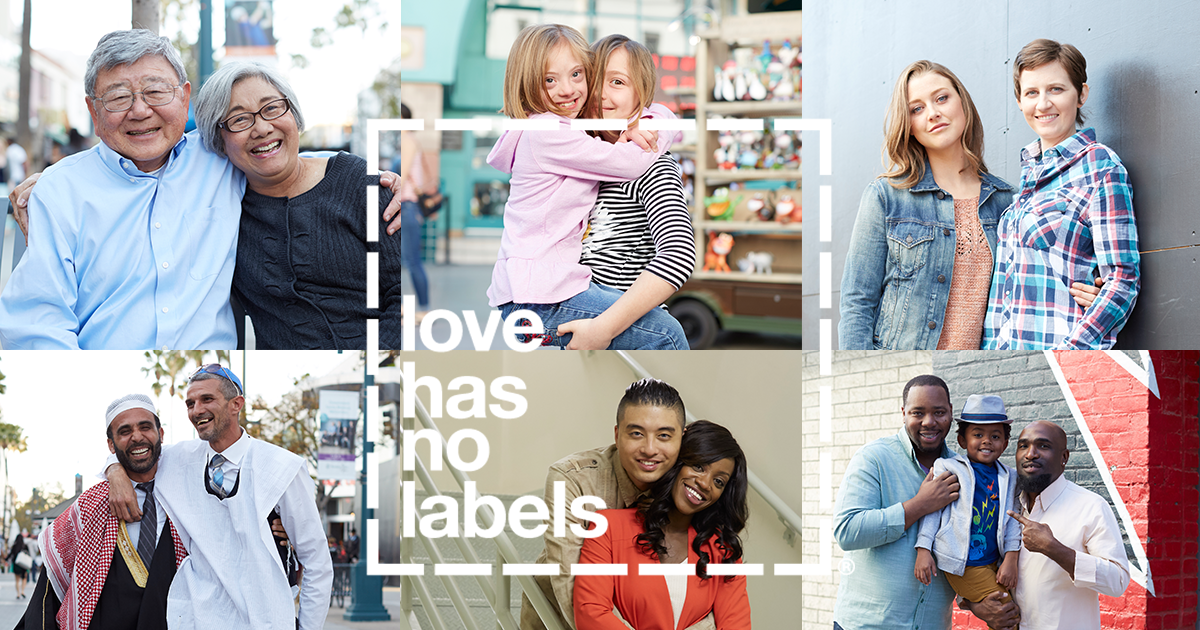
The “Love Has No Labels” campaign, led by the Ad Council, is grounded in several key rationales:
1. Promoting Inclusion and Diversity:
The campaign aims to promote inclusivity and celebrate diversity by challenging stereotypes and biases related to race, gender, age, disability, sexual orientation, and religion. By showcasing genuine expressions of love and affection among people from diverse backgrounds, the campaign seeks to foster a more inclusive society where all individuals are valued and accepted for who they are.
2. Raising Awareness
The campaign raises awareness about unconscious bias and the harmful effects of stereotyping and discrimination. By highlighting the prevalence of implicit biases in society and their impact on interpersonal relationships, the campaign encourages people to reflect on their own attitudes and behaviors and strive to overcome prejudices.
3. Empathy and Understanding:
The campaign promotes empathy, compassion, and understanding toward others. By showcasing moments of connection and love between individuals who defy traditional labels and societal norms, the campaign aims to humanize diversity and encourage viewers to recognize the shared humanity that unites us all.
4. Social Change:
The campaign seeks to inspire social change and promote positive attitudes and behaviors toward diversity and inclusion. By engaging with a wide audience through powerful imagery, storytelling, and messaging, the campaign aims to spark conversations, challenge assumptions, and ultimately shift cultural perceptions and norms surrounding identity and relationships.
5. Community Engagement:
The campaign encourages community engagement and activism to advance diversity and inclusion efforts. By providing resources, tools, and opportunities for involvement, the campaign empowers individuals and organizations to take action in their communities and promote a more equitable and inclusive society for all.
6. “The Ad Council’s COVID-19 Response”
The Ad Council’s COVID-19 Response campaign is grounded in several key rationales:
1. Public Health Education:
The primary aim of the campaign is to educate the public about COVID-19, including its transmission, symptoms, prevention measures, and the importance of vaccination. By providing accurate and timely information from trusted sources such as health authorities and medical experts, the campaign seeks to empower individuals to make informed decisions and take appropriate actions to protect themselves and others from the virus.
2. Mitigating Misinformation:
The campaign addresses the spread of misinformation and myths surrounding COVID-19 by providing clear and evidence-based messaging. By debunking common misconceptions and promoting reliable sources of information, the campaign aims to combat misinformation and promote public understanding of the virus and its impact.
3. Promoting Public Safety Measures:
The campaign encourages adherence to public health guidelines and safety measures recommended by health authorities, such as wearing masks, practicing good hand hygiene, maintaining physical distancing, and avoiding large gatherings. By promoting these preventive measures, the campaign aims to reduce the spread of COVID-19 and protect vulnerable populations from infection.
4. Supporting Vaccination Efforts:
As vaccines became available, the campaign shifted its focus to promoting COVID-19 vaccination as a critical tool in controlling the pandemic. By addressing vaccine hesitancy and promoting confidence in the safety and efficacy of COVID-19 vaccines, the campaign aims to increase vaccine uptake and achieve herd immunity to stop the spread of the virus.
5. Community Engagement:
The campaign engages with communities and diverse audiences to ensure that messaging is culturally relevant, accessible, and inclusive. By partnering with community organizations, influencers, and trusted messengers, the campaign aims to reach underserved populations and address disparities in COVID-19 awareness, access to resources, and vaccine uptake.
In summary;
…the Ad Council’s COVID-19 Response campaign is a typical example of the public service advertising that was driven by a commitment to public health education, misinformation mitigation, promotion of safety measures, and support for vaccination efforts. Through its comprehensive messaging and outreach efforts, the campaign aims to empower individuals and communities to play an active role in controlling the spread of COVID-19 and building resilience against future public health threats.
History of public service advertising
Once upon a time, in the bustling streets of 19th-century London, a man named Samuel Smith had an idea that would change the way people thought about their society. Samuel was a social reformer who was deeply troubled by the living conditions of the city’s poor. He believed that if he could just find a way to reach the hearts and minds of the public, he could inspire them to take action and improve the lives of those less fortunate.
Samuel’s idea took the form of a simple poster plastered on the walls of London’s neighborhoods. The poster depicted a young child, malnourished and in tattered clothing, with a plea for help written beneath. It was the first public service advertisement, designed not to sell a product, but to raise awareness about the plight of the poor and inspire charitable giving.
The poster captured the attention of passersby, sparking conversations and stirring emotions. Soon, other social reformers followed Samuel’s lead, creating their own advertisements to address various social issues such as sanitation, education, and public health.
As the years passed, public service advertising evolved with the changing times. During World War I, posters were used to encourage enlistment, rationing, and support for the war effort. In the aftermath of the war, public service campaigns focused on rebuilding communities and supporting veterans.
In the mid-20th century, public service advertising entered the golden age of television and radio. Iconic campaigns like Smoky Bear’s call to prevent forest fires and Rosie the Riveter’s message of female empowerment captured the hearts of millions and became enduring symbols of social change.
In the latter half of the 20th century and into the 21st century, public service advertising embraced new mediums such as the internet and social media. Campaigns addressing issues like drunk driving, smoking cessation, and HIV/AIDS prevention reached audiences on a global scale, leveraging the power of technology to spread messages of awareness and action.
Throughout its history, public service advertising has remained a beacon of hope and inspiration, reminding us of our shared humanity and the power of collective action. From humble posters on city streets to viral campaigns on social media, it continues to evolve and adapt, driving positive change and making the world a better place for all.
The goal of public service advertising is to do what?
1. Raise Awareness:
Public service advertising aims to raise awareness about important social issues, public health concerns, safety measures, environmental conservation, and other topics that impact society. By informing the public and increasing awareness, these campaigns empower individuals to make informed decisions and take action to address pressing challenges.
2. Promote Positive Behavior Change:
Public service advertising seeks to influence attitudes and behaviors in a positive way. Whether it’s encouraging people to quit smoking, wear seat belts while driving, conserve energy, or support charitable causes, these campaigns inspire individuals to adopt behaviors that contribute to the betterment of society and improve public welfare.
3. Address Social Problems:
Public service advertising plays a crucial role in addressing social problems and promoting social change. By shining a spotlight on issues such as homelessness, poverty, domestic violence, and discrimination, these campaigns raise public consciousness and mobilize support for solutions to these complex challenges.
4. Support Public Health Initiatives:
Public service advertising campaigns are instrumental in promoting public health initiatives such as vaccination, disease prevention, mental health awareness, and access to healthcare services. These campaigns provide vital information, resources, and support to individuals and communities, helping to improve health outcomes and reduce health disparities.
5. Foster Corporate Social Responsibility:
For organizations and businesses, public service advertising offers an opportunity to demonstrate corporate social responsibility (CSR) and contribute to the common good. By supporting causes and initiatives that align with their values and mission, companies can enhance their reputation, build trust with consumers, and make a positive impact on society.
6. Strengthen Communities:
Public service advertising fosters a sense of community and collective responsibility by encouraging individuals to come together to address shared challenges. By promoting solidarity, empathy, and mutual support, these campaigns strengthen social bonds and build resilient communities capable of tackling adversity and driving positive change.