What is image advertising?
Image advertising, also known as brand advertising or institutional advertising, is a type of advertising that aims to create a positive perception of a brand, company, product, or service in the minds of consumers. Unlike direct response advertising, which typically seeks to prompt immediate action such as a purchase, image advertising focuses on building long-term brand awareness, reputation, and loyalty.
In image advertising, the primary goal is to shape consumers’ perceptions and attitudes towards the brand rather than promoting specific products or services. This type of advertising often utilizes emotional appeals, storytelling, and creative visuals to convey a brand’s values, personality, and unique selling points. It seeks to establish a strong brand identity and differentiate the brand from competitors in the marketplace.
Image advertising campaigns can take various forms, including television commercials, print ads, online banners, social media campaigns, and sponsorships. These campaigns often prioritize reaching a broad audience and creating a memorable impression that resonates with consumers on an emotional level.
4 Examples of image advertising campaigns
1. Old Spice’s “The Man Your Man Could Smell Like” Campaign

Old Spice, traditionally associated with older generations, successfully revamped its image with this campaign in 2010. Featuring actor Isaiah Mustafa in humorous and absurd scenarios, the campaign targeted younger audiences.
It transformed Old Spice into a brand that was perceived as witty, edgy, and appealing to a younger demographic, revitalizing its image and boosting sales among younger consumers.
2. Always’ “Like a Girl” Campaign
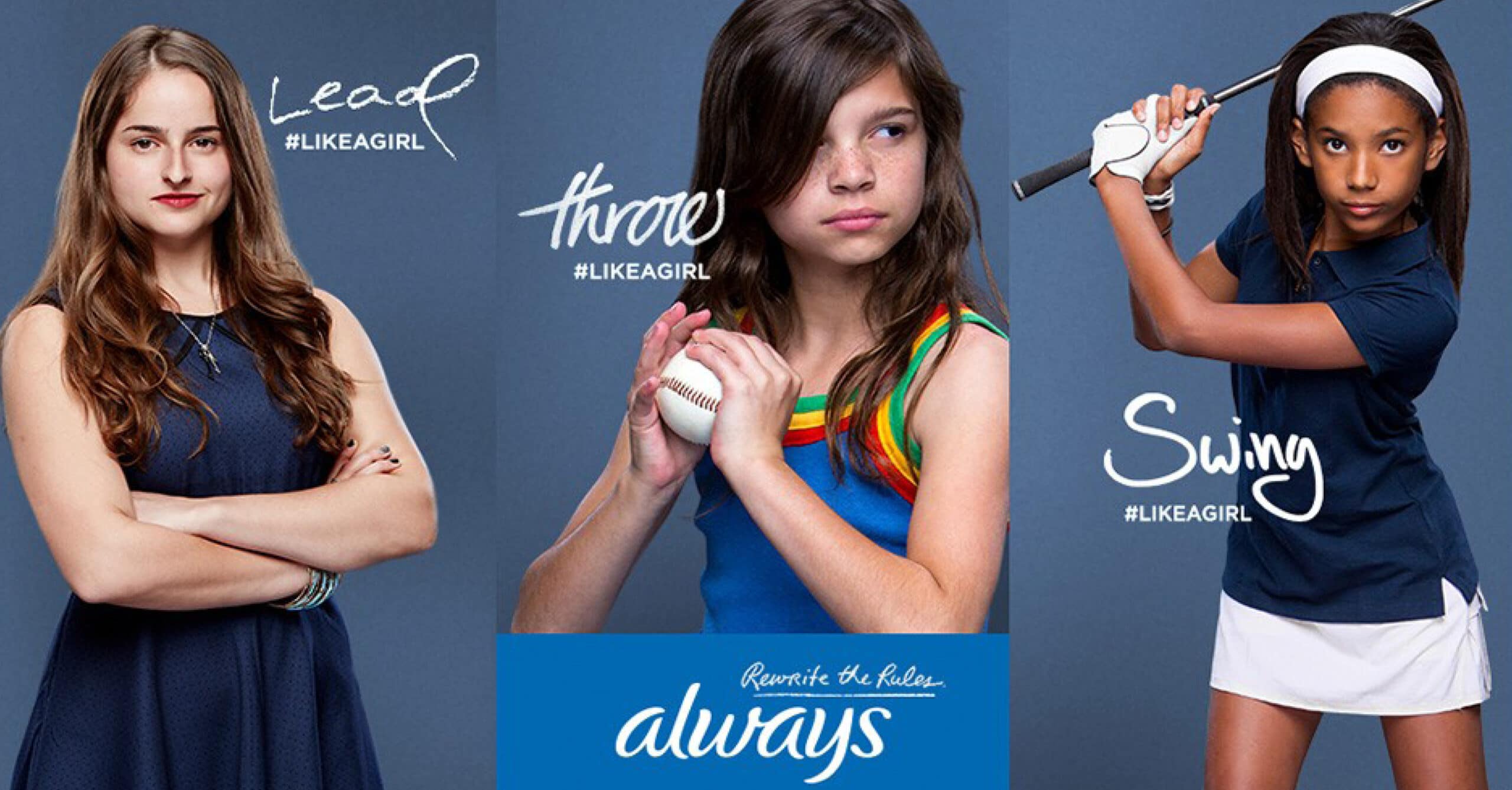
Always, a feminine hygiene brand, launched this campaign in 2014 to challenge stereotypes associated with doing things “like a girl.”
The campaign featured interviews with people of different ages demonstrating how the phrase “like a girl” was often used as an insult. It aimed to empower girls and women by redefining the phrase as a source of strength and confidence. The campaign received widespread acclaim for its positive message and helped change perceptions about gender stereotypes.
3. Budweiser’s “Whassup?” Campaign
Budweiser’s “Whassup?” campaign, launched in the late 1990s, became a cultural phenomenon. The series of commercials featured friends casually greeting each other with the phrase “Whassup?” in humorous and relatable scenarios.
The campaign resonated with young adults, portraying Budweiser as a brand that understands their sense of humor and camaraderie. It helped rejuvenate Budweiser’s image and made it more relevant to a younger audience.
4. Dollar Shave Club’s “Our Blades Are F***ing Great” Video
Dollar Shave Club, a subscription-based razor company, gained widespread attention with its 2012 promotional video featuring founder Michael Dubin.
The video humorously criticized traditional razor companies for their high prices and over-the-top marketing. It positioned Dollar Shave Club as a disruptor in the industry, offering affordable, high-quality razors delivered directly to consumers’ doors.
The campaign changed perceptions about buying razors, making it seem more convenient and cost-effective to purchase them online through subscription services.
Strategies to create effective image advertising campaigns
1. Define Your Brand Identity
“Define Your Brand Identity” is a crucial strategy for effective image advertising. It involves clearly establishing your brand’s values, personality, and unique selling points. By doing so, you create a cohesive and consistent image that resonates with your target audience. This strategy ensures that your image advertising campaigns accurately reflect your brand’s identity, helping to build strong brand recognition, loyalty, and differentiation in the marketplace.
2. Understand Your Audience
“Understand Your Audience” is a fundamental strategy for effective image advertising. It involves conducting thorough market research to gain insights into the demographics, preferences, and behaviors of your target audience. By understanding your audience’s needs, desires, and pain points, you can tailor your image advertising messages to resonate with them effectively.
This strategy ensures that your campaigns are relevant, engaging, and impactful, leading to increased brand affinity and loyalty among your target demographic.
3. Tell Compelling Stories
Use storytelling techniques to engage your audience emotionally and create a memorable connection with your brand. Craft narratives that highlight the benefits of your products or services in a relatable and authentic manner.
4. Focus on Visual Impact
“Focus on Visual Impact” is a critical strategy for effective image advertising. It involves investing in high-quality visuals, such as photography, graphics, and videos, to grab the audience’s attention and convey your brand’s message effectively.
Visual elements play a significant role in shaping consumer perceptions and emotions, making them essential for creating memorable and engaging image advertising campaigns.
By prioritizing visual impact, you can captivate your audience, communicate your brand’s identity, and differentiate yourself from competitors, ultimately driving brand awareness and loyalty.
5. Be Consistent Across Channels
Maintain consistency in your brand messaging and visual identity across all advertising channels, including print, digital, social media, and television. This consistency reinforces brand recognition and strengthens your brand image over time.
6. Differentiate Yourself
Identify what sets your brand apart from competitors and emphasize these unique qualities in your image advertising. Highlighting your competitive advantages helps position your brand in the minds of consumers and encourages brand loyalty.
7. Focus on Long-Term Brand Building
Image advertising is about building long-term brand awareness and loyalty rather than driving immediate sales. Invest in campaigns that contribute to building a positive brand reputation and fostering ongoing relationships with customers.
8. Measure and Adapt
Track the performance of your image advertising campaigns using key metrics such as brand awareness, perception, and sentiment. Analyze the data to understand what resonates with your audience and make adjustments as needed to optimize future campaigns.
9. Integrate Brand Values
Incorporate your brand’s values and social responsibility initiatives into your image advertising. Demonstrating a commitment to important causes can enhance your brand’s image and resonate with socially conscious consumers.
10. Stay Authentic
Authenticity is key to building trust with consumers. Ensure that your image advertising campaigns align with your brand’s values and deliver on the promises you make. Avoid gimmicks or misleading messaging that could damage your brand’s reputation.
Advantages Of Image advertising
1. Builds Brand Awareness
This is a key advantage of Image advertising as it helps to increase brand visibility and recognition among target audiences.
By consistently promoting your brand’s identity, values, and personality through image advertising campaigns, you can raise awareness and ensure that your brand stays top-of-mind when consumers are making purchasing decisions.
2. Shapes Brand Perception
Image advertising allows you to shape how consumers perceive your brand. Through carefully crafted messaging, storytelling, and visual elements, you can create a positive and memorable impression that aligns with your brand’s desired image. This helps to differentiate your brand from competitors and establish a favorable reputation in the market.
3. Fosters Brand Loyalty
Effective image advertising can strengthen the emotional connection between your brand and consumers. By appealing to their emotions, values, and aspirations, you can build a sense of loyalty and affinity that encourages repeat purchases and advocacy. Consumers are more likely to remain loyal to brands that resonate with them on a deeper level.
4. Supports Long-Term Growth
While direct response advertising focuses on driving immediate sales, image advertising is geared towards long-term brand building. By investing in image advertising campaigns, you’re investing in the future success of your brand. Over time, consistent messaging and positive brand associations can lead to sustained growth and market leadership.
5. Differentiates Your Brand
In crowded markets with numerous competitors, image advertising helps your brand stand out from the crowd. By highlighting your unique value proposition, brand personality, and competitive advantages, you can differentiate yourself and carve out a distinct position in the minds of consumers.
6. Generates Positive Publicity
image advertising campaigns that resonate with consumers can generate positive publicity and word-of-mouth recommendations. When consumers feel a strong connection to your brand, they’re more likely to share their positive experiences with others, amplifying your brand’s reach and influence.
7. Supports Product Launches and Promotions
While image advertising primarily focuses on building brand awareness and perception, it can also support specific product launches and promotions. By leveraging your brand’s strong image and reputation, you can create buzz around new products or promotions and drive sales in the short term.
8. Enhances Credibility and Trust
Consistent and authentic image advertising builds credibility and trust with consumers. When consumers perceive your brand as trustworthy and reliable, they’re more likely to choose your products or services over competitors, even if they’re priced slightly higher.
Disadvantages of image advertising
1. Difficulty in Measuring ROI
Difficulty in measuring ROI is a significant disadvantage of image advertising. Unlike direct response advertising, which yields immediate and measurable results, the impact of image advertising campaigns is often challenging to quantify.
This makes it harder for businesses to determine the return on investment (ROI) of their image advertising efforts. As a result, companies may struggle to justify the resources allocated to image advertising and assess its effectiveness in achieving their marketing objectives.
2. Longer Timeframe for Results:
Image advertising typically focuses on long-term brand building rather than driving immediate sales. As a result, it may take time to see tangible results from image advertising efforts. Brands may need to invest significant resources upfront without immediate gratification, which can be challenging for businesses looking for quick returns.
3. Risk of Misinterpretation or Backlash
Risk of misinterpretation or backlash is a key disadvantage of image advertising. This is because poorly executed or perceived as insincere campaigns can lead to negative reactions from consumers, potentially damaging the brand’s reputation.
In today’s digital age, where feedback spreads rapidly through social media, a single misstep in image advertising can escalate into a significant PR crisis, undermining the brand’s credibility and trustworthiness.
4. High Costs and Resource Intensive
Creating compelling image advertising campaigns often requires significant financial investment and resources. High-quality visuals, creative content, and strategic placement across various channels can add up to substantial costs for brands. Additionally, maintaining a consistent presence in the market through ongoing image advertising efforts requires ongoing investment over time.
5. Limited Targeting and Reach
Image advertising campaigns often target broad audience segments rather than specific demographic or behavioral groups. While this approach can help increase brand visibility, it may not effectively reach and engage niche or highly targeted audiences. As a result, some potential customers may not resonate with the messaging or feel personally addressed by the campaign.
6. Lack of Immediate Action
Unlike direct response advertising, which prompts consumers to take immediate action, image advertising aims to build brand awareness and perception over time. While this can lead to increased brand loyalty and long-term sales, it may not generate immediate responses or tangible results for businesses with short-term objectives.
7. Competitive Pressure and Clutter
In saturated markets with numerous competitors vying for consumers’ attention, it can be challenging for image advertising campaigns to break through the clutter and stand out. Brands must find unique ways to differentiate themselves and capture consumers’ interest amidst a sea of competing messages.
The history of image advertising in the United States
1. Early Beginnings (18th-19th Century)
In the late 18th and early 19th centuries, businesses in the United States used rudimentary forms of image advertising, such as signage and newspaper ads, to promote their products and services. These early advertisements often featured simple visuals and text, focusing primarily on product descriptions and pricing.
2. Emergence of Brand Advertising (Late 19th Century)
With the rise of mass production and industrialization in the late 19th century, businesses began to focus more on building brand identities and establishing emotional connections with consumers. This era saw the emergence of iconic brands such as Coca-Cola, which utilized image advertising to create strong brand associations and loyalty.
3. Golden Age of Advertising (Mid-20th Century)
The mid-20th century witnessed the “Golden Age of Advertising,” characterized by the widespread adoption of radio, television, and print media as advertising platforms. Major advertising agencies such as J. Walter Thompson, Leo Burnett, and BBDO created iconic image advertising campaigns for brands like Marlboro, Volkswagen, and Pepsi, shaping consumer culture and popularizing memorable slogans and jingles.
4. Creative Revolution (1960s-1970s)
The 1960s and 1970s saw a creative revolution in advertising, marked by a shift towards more innovative and emotionally resonant campaigns. Advertisers embraced bold visuals, humor, and storytelling to capture consumers’ attention and differentiate their brands. Iconic campaigns such as Volkswagen’s “Think Small” and Coca-Cola’s “Hilltop” exemplified this era of image advertising.
5. Digital Age and Fragmentation (Late 20th Century-Present)
The advent of the internet and digital media in the late 20th century transformed the advertising landscape, offering new opportunities and challenges for image advertising. Brands began to leverage digital platforms such as social media, websites, and mobile apps to engage with consumers in more personalized and interactive ways. However, the proliferation of media channels also led to increased fragmentation and competition, making it more challenging for brands to cut through the clutter and make an impact.
Throughout its history, image advertising in the United States has evolved from simple product promotions to sophisticated campaigns that evoke emotions, tell stories, and shape cultural narratives. Despite changes in technology and consumer behavior, the core principles of image advertising—building brand identity, establishing emotional connections, and creating memorable experiences—remain essential for success in the modern advertising landscape.